If your roof is keeping your home safe and dry, you probably don’t think much about it. In fact, most homeowners never give their roofs a passing thought, sometimes thinking that they will last forever. But then something happens. You notice moisture on the ceiling of your home. You see some shingles lying on the grass in the yard. Or worse, water starts running down the interior walls.
The reality is that while roofs are designed to last a long time, they don’t last forever. And in Florida, Mother Nature can unleash her fury, pushing roofs to their breaking points.
This is why professional roof inspections are so important. Since few homeowners have the tools or safety equipment necessary to inspect their own roofs, having a skilled professional team take a look is the best bet. Roof inspectors can be super helpful after severe weather, before you buy or sell a home, or when your roof starts nearing the end of its intended life.
But what exactly happens during a professional roof inspection? The team at Neal Strickland Roofing will tell you what you can expect.
Most roofs last between 15 and 25 years, depending on the materials used and how well they have been maintained. That said, plenty of situations call for an inspection well before a roof reaches old age.
Florida sees extreme weather quite often. This means Florida experiences multiple billion-dollar climate and weather disasters per year. That’s why an inspection after a major storm or high winds is always wise. Other smart times include when you notice signs of damage, before buying or selling a home, when your roof nears the middle or end of its expected lifespan, or simply as part of routine home maintenance.

While every roof is a little different, a professional inspection generally follows the same thorough process, covering everything from the surface materials down to the gutters.
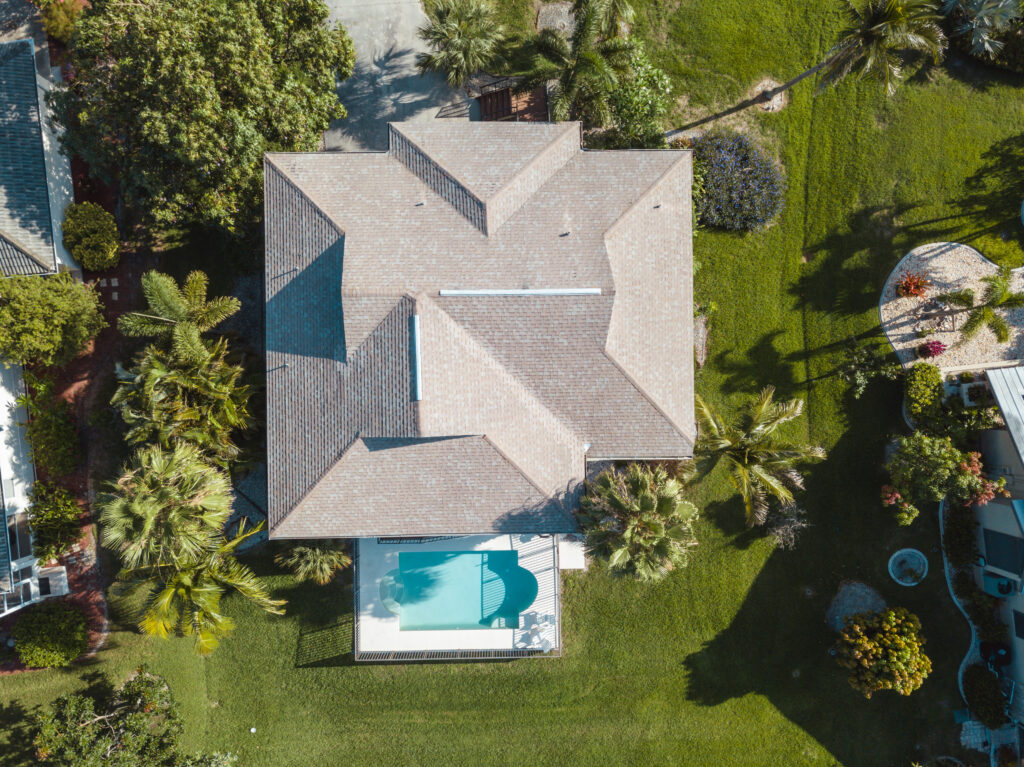
Most roof inspectors want to look at the roof as a whole rather than looking at one area. This means walking the property and looking at the roof from multiple angles. This approach is the best way to assess a roof’s general condition.
Here’s what they are looking for:
This first pass helps them note any areas that deserve a closer evaluation, so nothing gets overlooked once the detailed portion of the inspection begins.
But that doesn’t mean the city is in the clear. Storms passing nearby can still bring all the things that can wreak havoc on your roof:
Every home in this area carries some level of hurricane risk, no matter how far it sits from the coast.
Next, the inspector takes a careful look at the roofing material itself. However, exactly what they are searching for will depend on the type of roof you have.
For example, if your roof has shingles, they are looking for missing, cracked, curling, or lifted shingles. If your roof is tiled, they are checking for broken or displaced tiles. And on metal roofs, they are looking for indicators of deterioration on the panels or fasteners. Across every material, the goal is to spot excessive wear before it turns into a leak.
Anywhere something passes through or interrupts the roof surface deserves special attention. Inspectors look at the areas around these items:
These spots rely on flashing, the thin metal pieces that seal the joints, to keep water out. If flashing becomes damaged or loose, these locations become some of the most common entry points for water, which is why a thorough inspector never skips them.
Because water damage often hides below the surface, inspectors also search for evidence of moisture problems. That includes obvious water intrusion as well as subtle warning signs such as:
Finding areas where moisture is already affecting the roof system allows the problem to be corrected before it spreads into the attic, the insulation, or the living spaces below.
A roof needs to drain properly; otherwise, water will simply pool on top of it. That’s why roof inspectors are also looking at your gutters and downspouts. Inspectors check for clogged gutters, loose or sagging sections, and standing water that suggests poor flow. They also watch for granule buildup in the gutters, since shingles shed granules as they age, and a heavy accumulation may indicate the roofing material is wearing out.
Once the inspection wraps up, the contractor will review their findings with you. A reputable roofer will point out any areas of concern, often with photos, and discuss whether repairs are recommended or whether continued monitoring makes more sense for now. If repairs are needed, you should receive an estimate outlining the scope of the work and the cost.
Just as important, the contractor should answer your questions so you fully understand the condition of your roof. And keep in mind that not every inspection leads to major repairs. Many end with a clean bill of health and a few maintenance suggestions.
If your roof is only designed to last between 15 and 25 years, at some point, you are likely going to need a new one. And you don’t necessarily want to wait until you are experiencing leaks, because this can mean a far more costly replacement and likely some interior repairs.
Identifying small issues can make a big difference. Doing so can prevent leaks, extend your roof’s lifespan, and reduce the likelihood of larger repairs down the road. Plus, it can protect your home from interior water damage, which, trust us, you want to avoid.
As such, a roof inspection can give you useful information and help you decide if you need repairs or a roof replacement. So, if it’s been several years since your last roof inspection, or if your home has recently experienced severe weather, it’s time to take action. And the team at Neal Strickland Roofing can provide a thorough inspection and explain any recommended next steps so you can make informed decisions about your roof.